Annapurna Puja: The Sacred Bengali Ritual Honoring the Goddess of Nourishment
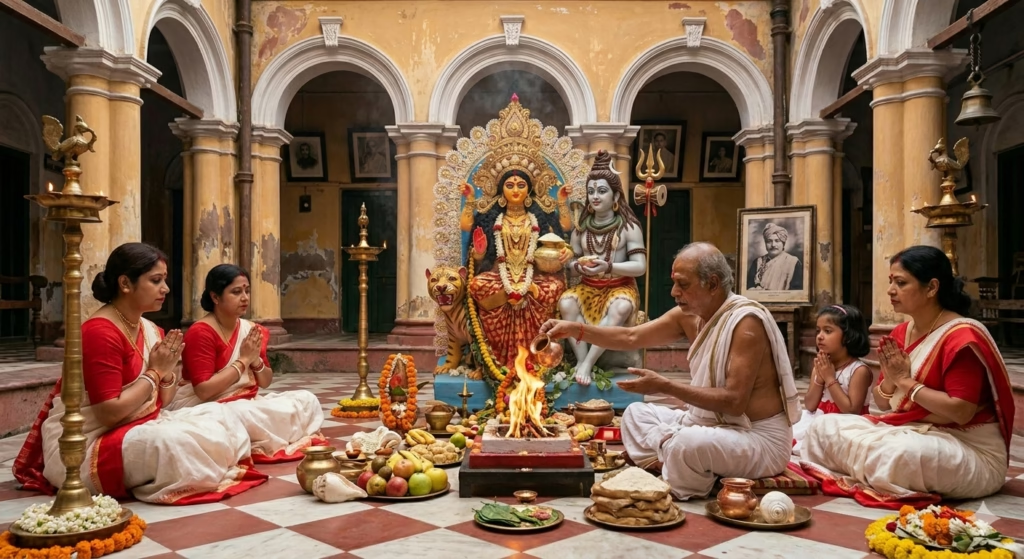
In the vibrant tapestry of Bengali Hindu festivals, Annapurna Puja stands out as a deeply revered celebration dedicated to Devi Annapurna, a compassionate manifestation of Goddess Durga. Known as the divine provider of food (annadatri), she symbolizes abundance, sustenance, and the removal of hunger from households.
The festival’s timing is meticulously calculated using traditional Hindu panchangas (calendars). In 2026, Annapurna Puja falls on March 26, a Thursday (11 Chaitra), making it an auspicious day for worship. The Ashtami tithi begins the previous evening—March 25 (10 Chaitra) at around 4:47 PM IST—and concludes on the puja day at approximately 2:29 PM IST. These precise timings, often referenced from trusted sources like the Gupt Press Panchang, guide devotees in scheduling their observances, ensuring the rituals align with cosmic energies for maximum spiritual potency.
Mythological Origins and Symbolic Depth
The legend of Annapurna traces back to Puranic tales, particularly those in the Annapurna Upanishad and Devi Bhagavata Purana. A captivating story recounts Lord Shiva, after winning a philosophical debate with Parvati, renouncing all worldly possessions—including food—and wandering as a beggar. Witnessing the cosmos teetering on the brink of famine due to Shiva’s indifference to material needs, Parvati manifested as Annapurna in Kashi (Varanasi). With a golden bowl overflowing with rice in one hand and a ladle in the other, she filled Shiva’s begging bowl, restoring balance and teaching the interdependence of the spiritual and material realms.
This narrative underscores Annapurna’s role as the nurturer who quells annakshaya (the exhaustion of food grains). In Bengali culture, she’s invoked to banish household struggles related to sustenance, inviting wealth, health, and joy. Families believe that sincere devotion during this puja dissolves poverty’s shadows, fostering samriddhi (prosperity). Her icons—often depicted seated on a throne with the sacred vessels—remind worshippers of gratitude for every meal, echoing the Bengali ethos of anna brahma (food as the essence of the divine).
Annapurna Puja : Complete Guide Puja Vidhi
Rituals and Observances in Bengali Homes
Preparations for Annapurna Puja begin days in advance, especially in traditional Bengali households. Homes in old Kolkata’s zamindari mansions or bonedi baris (aristocratic homes) transform into hubs of devotion, adorned with marigold garlands, rangoli, and clay idols of the goddess. Devotees observe a strict fast, consuming only fruits, milk, or light sattvic foods until the evening bhog (offering).
The core puja vidhi (procedure) is simple yet profound, emphasizing bhakti (devotion):
Mangalacharan and Invocation: The ceremony starts with a sankalpa (vow) at dawn or an auspicious muhurta, chanting mantras like the Annapurna Stotra composed by Adi Shankaracharya: “Anekakotibrahmandanayike…” to invoke her presence.
Abhishekam and Decorations: The idol is bathed in panchamrit (a mix of milk, curd, ghee, honey, and sugar), dressed in red sarees, and ornamented with jewelry, flowers, and kumkum.
Havan and Offerings: A small homa (fire ritual) follows, with ghee, sesame, and herbs fed into the consecrated fire. The highlight is anna bhog—rice pudding (kheer), payesh (sweet rice), or khichuri—prepared meticulously and offered as naivedya.
Aarti and Distribution: Lamp-waving aarti concludes the worship, followed by kanya puja (honoring young girls as embodiments of the goddess) and prasad distribution. Married women perform anjali (prostration) for marital bliss and fertility.
In rural Bengal or community pandals, the puja escalates into cultural festivities with kirtans, bhajans, and feasts, blending spirituality with social bonding.
Cultural Significance in Bengali Society
Annapurna Puja transcends religion, embodying Bengal’s agrarian heritage where food security was paramount. In a region prone to floods and famines, invoking the grain-giving mother ensured bountiful harvests. It’s particularly cherished by women, who manage household kitchens as extensions of Annapurna’s grace. In Bhätpāra or Kolkata’s narrow lanes, one witnesses generational continuity—grandmothers passing down recipes and chants to the young.
Historically, this puja gained prominence during the Bengal Renaissance, with figures like Bankim Chandra Chattopadhyay drawing inspiration from such rituals for nationalist literature. Today, it adapts to urban life: busy professionals host virtual pujas or order idols online, yet the essence remains unchanged.
🌸 1. Annapurna Dhyan Mantra
Om Nityanandakari Varaabhayakari Saundarya Ratnakari
Nirdhootaakhila Ghora Paapanakari Pratyaksha Maheshwari
Praaleyaachala Vamsha Paavanakari Kaashipuraadheeshwari
Bhikshaam Dehi Kripaavalambanakari Maata Annapoorneshwari
🌼 2. Annapurna Stotra (by Adi Shankaracharya)
Annapoorne Sadaapoorne Shankara Praana Vallabhe
Gyaana Vairaagya Siddhyartham Bhikshaam Dehi Cha Paarvati
🔱 3. Beej Mantra
Om Shreem Hreem Kleem Namo Bhagavati Annapoorneshwari Namah
🔔 4. Simple Annapurna Mantra
Om Annapoornayai Namah
🔥 5. Bhog (Naivedya) Mantra
Om Annapoorne Namah, Naivedyam Samarpayaami
🪔 6. Aarti Mantra (Short)
Om Jai Annapoorna Maata
Maiya Jai Annapoorna Maata
🌾 7. Bhojan Mantra (Before Eating)
Brahmaarpanam Brahma Havir
Brahmaagnau Brahmanaa Hutam
Brahmaiva Tena Gantavyam
Brahma Karma Samaadhinaa
for more news stay tuned…