India’s Mango City: Discover Malda, West Bengal’s Mango Paradise
Mangoes, fondly known as the “king of fruits,” captivate taste buds across India with their juicy sweetness and diverse flavors. From the sun-kissed orchards of Uttar Pradesh to the coastal groves of Maharashtra, mango cultivation thrives nationwide. Yet, one city stands out as India’s undisputed mango capital: Malda in West Bengal. Nestled in the northern part of the state, Malda earns its title as the “Mango City of India” through centuries of tradition, bountiful harvests, and globally renowned varieties. If you’re searching for the best mangoes in India, Malda’s story reveals why this gem deserves your attention.
This vibrant district isn’t just about quantity—it’s a symphony of history, fertile lands, and innovative farming that supplies fresh mangoes to every corner of the country and beyond. In this guide, we’ll dive deep into what makes Malda special, from its iconic mango varieties to its economic impact. Whether you’re a fruit lover, traveler, or curious foodie, exploring Malda’s mango legacy offers a delicious journey.
A Rich Historical Legacy: From Ancient Orchards to Modern Glory
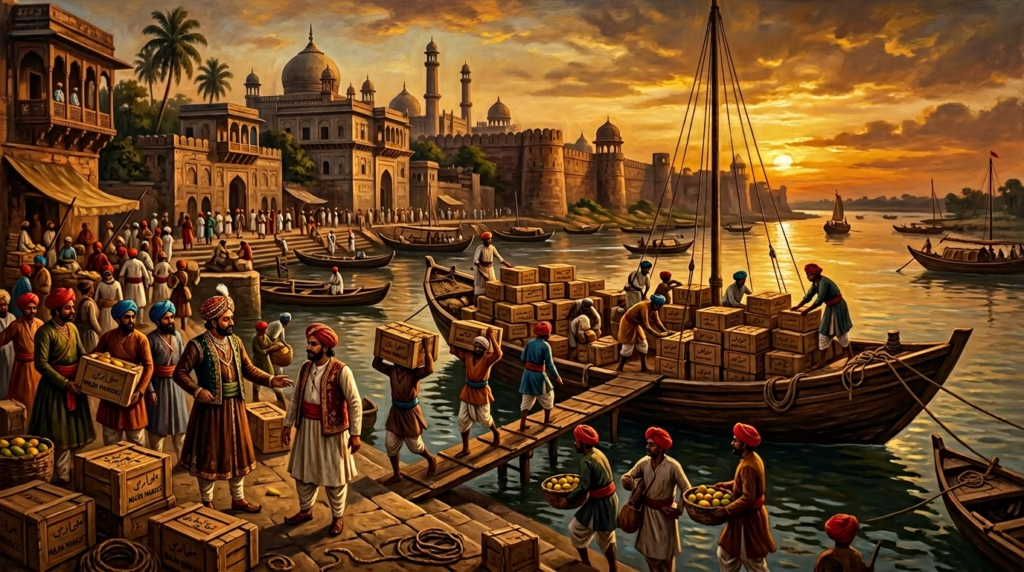
Malda’s affair with mangoes dates back over a millennium, weaving the fruit into the fabric of its history. During the early medieval Pala kingdom (8th-12th centuries), the region—then part of ancient Bengal—boasted sprawling orchards that fueled local trade routes. Historical texts and archaeological finds hint at mango groves supporting prosperous communities, where the fruit was bartered alongside silk and spices.
As empires shifted, Malda’s mango prominence grew. Under the Bengal Sultanate (14th-16th centuries) and later Mughal rule, the city evolved into a bustling commercial hub. Mughal chronicles praise Bengal’s mangoes for their superior quality, with Malda’s produce gracing royal feasts. English colonial records from the 18th century further document Malda as a key supplier, exporting mangoes via the Hooghly River to Kolkata and European ports.
This enduring legacy persists today. Malda’s mango farms aren’t relics; they’re dynamic enterprises blending age-old wisdom with modern techniques. Government initiatives, like the National Horticulture Mission, have revitalized these orchards, ensuring Malda remains synonymous with “India’s best mangoes.” For history buffs, visiting sites like the Adina Mosque—built during Sultanate times—offers a tangible link to this fruitful past.
Perfect Geography: Nature’s Gift for Mango Perfection
What truly elevates Malda to mango city status? Its geography. Bordered by the mighty Ganga and Mahananda rivers, the district enjoys fertile alluvial soil rich in nutrients like potassium and organic matter. This “Ganga soil,” deposited during annual floods, creates an ideal base for mango trees, promoting deep roots and robust yields.
Malda’s subtropical climate seals the deal: scorching summers (up to 42°C) trigger flowering, while monsoon rains (around 1,400 mm annually) provide essential hydration without waterlogging. Mild winters prevent frost damage, allowing year-round care. Spanning over 50,000 hectares, Malda’s orchards form a green carpet across taluks like Gazole, Habibpur, and Old Malda—earning it the nickname “Angurshal” (mango abode) in Bengali folklore.
Compared to other mango hubs like Ratnagiri (Maharashtra) or Malihabad (Uttar Pradesh), Malda’s riverine ecosystem yields mangoes with unmatched pulp-to-seed ratios and natural sweetness. No wonder it’s a hotspot for agri-tourism, with farm stays letting visitors pluck ripe fruits straight from the branch.
Iconic Mango Varieties: Flavors That Define Malda’s Fame
Malda shines brightest through its GI-tagged (Geographical Indication) mangoes, each with unique traits that dominate markets. Here’s a closer look at the stars:
-
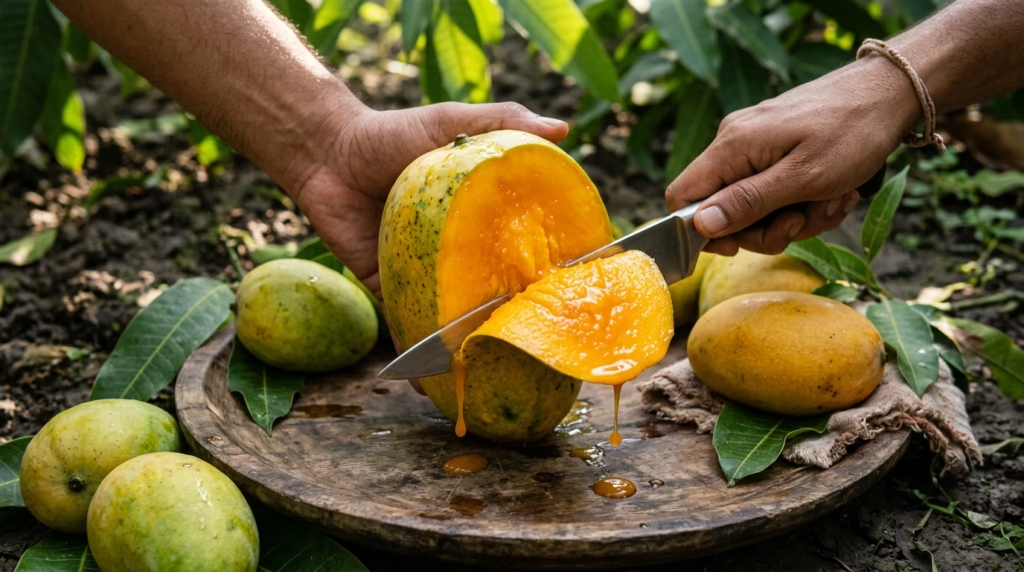
Fazli Mango: The giant of the bunch, weighing 500-800 grams, with green-tinged skin and fibrous, juicy flesh. Harvested late (July-August), it extends the mango season, making it a favorite for exports to the Middle East and Europe. Its tangy-sweet profile shines in aamras (mango pulp dessert).
-
Langra Mango: Small yet mighty, this “legless” beauty (due to its curved shape) bursts with honeyed nectar. Peak season is June-July; it’s prized in Kolkata’s markets for lassi and chutneys. Langra’s thin skin and minimal fiber make it a connoisseur’s delight.
-
Himsagar (Khirsapati): The “ice cream” mango for its creamy, melt-in-mouth texture. Golden-yellow and aromatic, it’s harvested early (May-June) and rules Bengali summers. Low acidity and high vitamin C content make it a health staple.
-
Lakshmanbhog: Saffron-hued with a floral aroma, this variety offers buttery flesh perfect for pickles and sweets. Its late harvest (July) complements Fazli, ensuring steady supply.
Other notables include Gopalbhog (fragrant and small) and Ashwina—over 20 varieties in total. These aren’t just fruits; they’re cultural icons, celebrated in Malda’s annual Mango Festival, where tastings, contests, and folk dances draw thousands.
Massive Production Scale: Fueling India’s Mango Economy
Malda produces over 5 lakh metric tons of mangoes yearly, accounting for 40% of West Bengal’s output and a significant slice of India’s 20-million-tonne total. Family-run orchards, some spanning 50 acres, employ sustainable practices like drip irrigation and organic pest control. The West Bengal State Mango Development Board supports farmers with saplings, training, and cold storage.
This scale powers a robust supply chain. From picking at dawn, mangoes reach Malda’s APMC markets within hours, then truck to Delhi, Mumbai, and Bengaluru. Exports hit 10,000 tons annually to UAE, UK, and USA, generating ₹500 crore in revenue. E-commerce giants like BigBasket and Amazon Fresh now ship Malda mangoes nationwide, boosting accessibility.
Challenges like climate change and pests persist, but innovations shine: solar-powered dryers preserve surplus, while blockchain traceability ensures authenticity for premium buyers.
Why Malda Mangoes Taste Unbeatable: The Science of Superior Flavor
Ever wondered why Malda mangoes outshine others? It’s terroir magic. The alluvial soil imparts minerals that enhance beta-carotene and sugars, yielding Brix levels (sweetness measure) of 18-22 versus 14-16 elsewhere. River humidity fosters even ripening, creating silky textures without chemical aids.
Scientific studies from ICAR-Central Institute for Subtropical Horticulture confirm Malda mangoes’ edge in antioxidants and shelf life. Consumer surveys rank them top for “authentic taste,” driving 70% repeat buys. This reputation sustains brands like Malda Mango Products, turning rejects into jams, juices, and leather.
Beyond the Orchards: Mangoes’ Impact on Malda’s Culture and Economy
Mangoes aren’t just commerce—they’re Malda’s heartbeat. The industry employs 2 lakh people, from pluckers to exporters, lifting rural incomes. Festivals like the Malda Mango Mela feature queen contests, culinary demos, and VR orchard tours, blending tradition with tech.
Tourism booms too: Eco-resorts offer “mango therapy” packages with spa treatments using fruit extracts. Artisans craft mango-motif handicrafts, while literature immortalizes them in Bengali poetry. Even education benefits—local colleges offer horticulture degrees, nurturing the next generation.
Sustainability drives progress: Farmer cooperatives adopt zero-waste models, composting peels for biofertilizers. Government schemes like PMKSY promote intercropping with veggies, diversifying incomes.
Planning Your Visit to India’s Mango City
Craving the real deal? Time your trip for May-July. Stay at heritage homestays in English Bazar, Malda’s hub. Must-dos: Tour Chanchal’s mega-orchards, savor mango feasts at roadside stalls, and shop at Krishna Pally market. Nearest airport: Bagdogra (80 km); trains connect via Malda Town station.
Pro tip: Buy authenticated GI mangoes to avoid fakes. For virtual tastes, order online from trusted vendors.
Malda’s mango magic—forged by rivers, rains, and resilient farmers—cements its throne as India’s Mango City. From ancient trades to global shelves, this West Bengal wonder proves why mango lovers flock here. Next summer, let Malda’s bounty redefine your fruit obsession.
more articles. visit Bulletinbuzzs