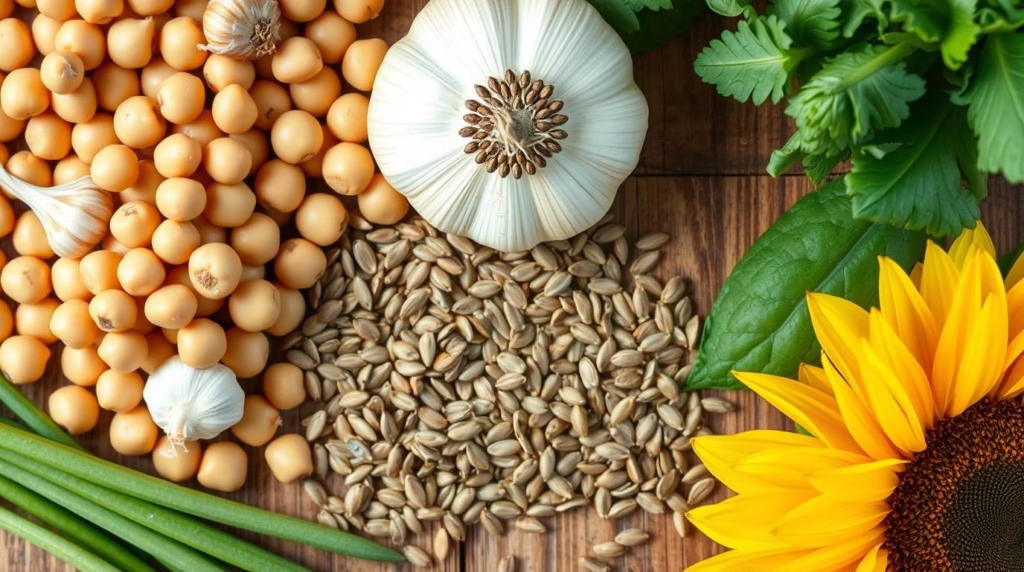
A healthy gut is foundational to overall wellness, and dietary fiber is the critical ingredient that supports not just digestive regularity but also heart health, weight management, and immune resilience. Despite widespread knowledge about fiber’s importance, far too many people fall short of the recommended daily intake, resulting in constipation, bloating, and other gut disturbances. Fortunately, Dr. Saurabh Sethi—a leading expert in gastroenterology with credentials from Harvard and Stanford—has brought attention to four fiber-rich foods that most people ignore. These accessible, delicious, and highly nutritious foods do more than meet your daily fiber quota; they transform your gut health, fortify your cardiovascular system, and deliver a host of bonus nutrients.
Why Fiber Matters for Gut Health
Fiber serves as a digestive catalyst, supporting the smooth passage of food through the intestines and aiding in nutrient absorption. It exists in two forms: soluble fiber, which dissolves in water and forms a gel-like material, and insoluble fiber, which adds bulk to stool and promotes regularity. Adequate fiber intake is linked to reduced risk of heart disease, type 2 diabetes, certain cancers, and a balanced microbiome. Fiber’s prebiotic effect nourishes the beneficial bacteria residing in your gut, influencing everything from immune defense to mental clarity. While whole grains, fruits, and vegetables are conventional fiber sources, the following underappreciated foods offer a powerful punch—often in a compact serving.
1. Chickpeas: The Versatile Fiber Giant
Chickpeas, sometimes referred to as chole worldwide, are a staple of many cuisines, including Indian and Mediterranean, and are highly valued for their rich nutritional profile and nutty flavor. What sets chickpeas apart is their impressive fiber content—about 18 to 22 percent of their total weight, split evenly between soluble and insoluble types.
Digestive Support: The dual varieties of fiber in chickpeas facilitate comfortable digestion and regular bowel movement, significantly reducing the risk of constipation and bloating.
-
Prebiotic Potential: Chickpeas are rich in galacto-oligosaccharides, a specialized fiber that feeds beneficial gut bacteria, such as lactobacilli. This fermentative process balances digestion, strengthens gut lining, and enhances magnesium absorption for nerve and muscle health.
-
Cardiometabolic Benefits: Scientific research points to chickpeas’ ability to stabilize blood sugar and lower LDL cholesterol, thereby reducing risk factors for cardiovascular disease.
-
Serving Sizes and Versatility: One cup of cooked chickpeas delivers six grams of fiber—making it a satiating heart-friendly staple. Chickpeas adapt well to curries, salads, stews, and can be pureed into hummus, offering an easy way to increase fiber intake at every meal.
-
Chickpeas are also a valuable source of plant-based protein, iron, and folate. Their culinary flexibility means you can easily incorporate them into both savory and sweet dishes.
2. Garlic: Tiny Cloves, Major Gut Benefits
Garlic is heralded in kitchens worldwide for its pungent flavor and medicinal properties, but its role as a fiber source often goes unnoticed. According to Dr. Sethi, garlic is packed with two particular fibers—inulin and oligofructose—that act as powerful prebiotics.
Microbiome Nourishment: These fibers selectively feed the good microbes within your intestines, supporting a balanced ecosystem and reducing the prevalence of harmful bacteria.
-
Weight and Metabolism Effects: The unique combination of garlic fiber and its array of bioactive compounds is associated with better weight control, reduced fat accumulation, healthier cholesterol levels, and more efficient cellular energy processes.
-
Gene Regulation: Emerging research even suggests that garlic’s nutrients can alter gene expression linked to metabolism and digestion, highlighting its role in weight management strategies.
-
Garlic’s ability to enhance flavor means it can be seamlessly added to curries, stir-fries, pasta sauces, and roasted vegetable dishes, offering more than just taste—it’s an invisible ally for your health. Every time you add garlic to a meal, you’re helping maintain metabolic balance and supporting your immune system.
3. Flaxseeds: The Tiny Superfood for Fiber and More
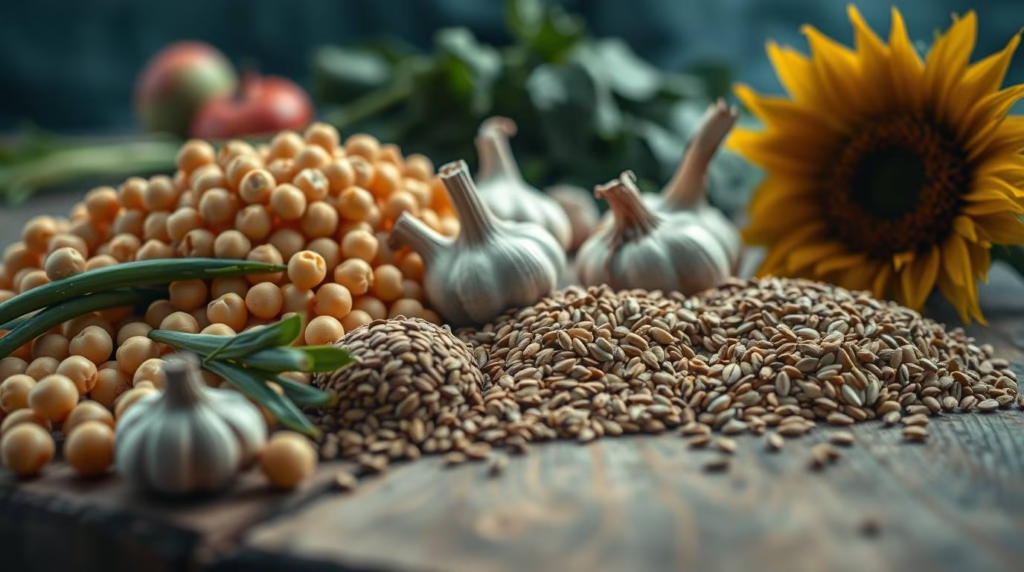
Flaxseeds are a powerhouse seed, renowned for their dense nutritional value and extraordinary fiber concentration—about 35 percent of their mass. They contain an ideal balance of soluble and insoluble fibers.
Hormonal Harmony and Digestive Ease: Insoluble fiber assists in adding bulk and regularity to stools, while soluble fiber fosters hormonal equilibrium and smooth bowel movements.
-
Omega-3 Fatty Acids: Flaxseeds are among the richest plant-based sources of alpha-linolenic acid (ALA), an omega-3 fatty acid crucial for heart health and inflammation suppression.
-
Protein and Phytoestrogens: They offer high-quality plant protein and phytoestrogens, which can positively regulate hormone activity, especially in women.
Flaxseeds can be sprinkled onto oatmeal, blended into smoothies, mixed into yogurt, or incorporated into baked goods. Their nutty flavor complements both sweet and savory recipes. Studies demonstrate that flaxseeds may improve cholesterol profiles, promote joint health, and ease symptoms of inflammatory disorders.
4. Sunflower Seeds: The Crunchy Source of Power
Often enjoyed as a convenient snack, sunflower seeds should not be underestimated for their fiber content. A 100-gram serving delivers a robust 11.5 grams of fiber, including specialty fibers like lignans and cellulose that directly contribute to bowel regularity.
Complete Nutrient Matrix: Sunflower seeds come loaded with unsaturated fats, antioxidant vitamin E, and crucial minerals such as magnesium, selenium, and copper. This makes them helpful for reducing inflammation and safeguarding cardiovascular function.
-
Digestive and Heart Health: Beyond their fiber, sunflower seeds have been shown to improve cholesterol levels, buffer against heart disease, and promote stable gut flora.
-
Culinary Uses: Their crunchy texture makes them ideal toppings for salads, stirred into trail mix, and even baked into bread. Their adaptability ensures they can be integrated into meals with minimal effort while maximizing nutrition.
Culinary and Lifestyle Tips for Increasing Your Fiber Intake
-
Diversify Your Plate: Make it a habit to incorporate multiple sources of fiber at each meal. Combining chickpeas in salads with flaxseeds in smoothies and sunflower seeds as snacks ensures you receive a spectrum of fibers and nutrients.
-
Moderation and Gradual Increase: While fiber is essential, abrupt increases can sometimes lead to gas or bloating. Boost intake slowly and drink plenty of water to allow your digestive system to adapt comfortably.
-
Innovative Recipes: Explore international cuisines and modern twists on classics—hummus, spicy chole, seed-enriched yogurt bowls, and garlic-infused stir-fries bridge taste and wellness without culinary compromise.
-
Reading Labels: Choose whole, minimally processed versions of these foods. For packaged goods like breads or snacks, check the fiber content per serving to make mindful choices.
High-Fiber Diet: The Science and Wisdom Behind the Recommendations
Global health organizations suggest adults aim for 25–30 grams of fiber daily, yet average consumption often falls short. Evidence correlates fiber-rich diets with:
-
Lower cholesterol levels and improved heart health.
-
Enhanced blood sugar control and insulin sensitivity, reducing diabetes risk.
-
Better digestive comfort and reduced incidence of constipation or hemorrhoids.
-
Healthier gut microbiome, which impacts immunity, mood, and weight management.
Chickpeas, garlic, flaxseeds, and sunflower seeds are cost-effective, widely available, and versatile ingredients that empower you to achieve these health milestones without the need for supplements.
Frequently Overlooked Fiber Sources: Why You Should Reconsider
Public focus often falls on more prominent sources like whole grains, oats, apples, and dark leafy greens. However, the foods highlighted by Dr. Sethi are frequently overlooked because:
-
They are less flashy than trendy superfoods but deliver comparable health outcomes.
-
Many are seen as flavor enhancers or snacks rather than primary dietary staples.
-
Misconceptions regarding calorie content or fat profiles may lead people to avoid fiber-dense seeds and legumes, despite their clear benefits.
Rediscovering these foods unlocks new avenues for culinary creativity, flavor variety, and potent health improvements.
Expert Insights and Evidence-Based Takeaways
Dr. Saurabh Sethi’s endorsement carries clinical weight, drawing on years of research and patient outcomes. His recommendations encourage people to break free from monotony and embrace a spectrum of foods for comprehensive gut health. Recent nutrition science supports that a flourishing microbiome requires not only total fiber, but also diversity in prebiotic sources.
By routinely including chickpeas, garlic, flaxseeds, and sunflower seeds in your meal planning, you foster a resilient digestive system, improve nutrient absorption, and create a foundation for lifelong wellness.
Final Thoughts: Revitalize Your Gut and Well-being
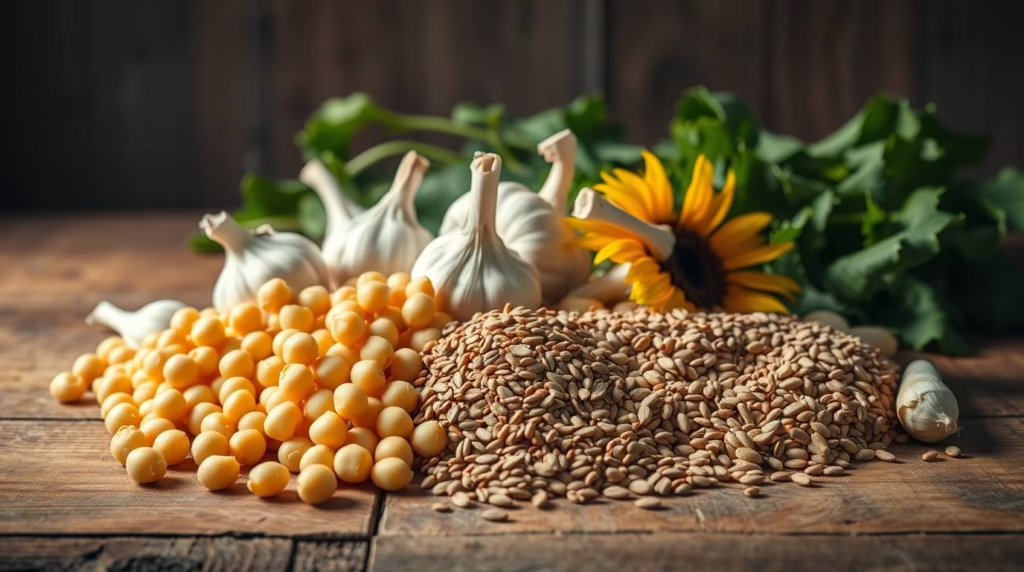
High-fiber foods are not merely about digestive comfort—they connect to immunity, metabolism, heart health, and mental clarity. The often-ignored quartet of chickpeas, garlic, flaxseeds, and sunflower seeds exemplifies the synergy between nutrition and culinary delight. Their affordability, accessibility, and nutritional excellence make them ideal for anyone seeking to optimize their fiber intake while enjoying delicious meals.
Take inspiration from Dr. Sethi’s expert recommendations and reimagine your daily diet with these high-fiber heroes. Whether you’re blending hummus, tossing a salad, stirring a yogurt bowl, or sprinkling seeds into treats, each bite brings you closer to holistic wellness and happier gut health.
Maximize your digestive health and unlock the transformative power of fiber—one meal at a time. For more evidence-based nutrition tips, consult with a registered dietitian or board-certified gastroenterologist, and embrace the delicious journey to better well-being.
liked the content. visit BB