Chaitra Navratri 2026 Day 2: Maa Brahmacharini Puja Vidhi, Vrat Katha, Mantras, and Significance
Chaitra Navratri 2026 kicks off with vibrant energy, and Day 2—falling on March 21—honors Maa Brahmacharini, the second form of Goddess Durga. As devotees across India and the world immerse themselves in this nine-day festival, searching for “Chaitra Navratri Day 2 rituals” or “Maa Brahmacharini worship guide,” this detailed resource covers everything you need. From her inspiring vrat katha to step-by-step puja vidhi and powerful mantras, discover how Maa Brahmacharini embodies tapasya (penance), devotion, and unyielding resolve. Worshipping her on this day promises strength, marital harmony, and spiritual purity, making it a pivotal moment in the Navratri calendar.
Who is Maa Brahmacharini? Symbolism and Iconography
Maa Brahmacharini, meaning “one who practices Brahmacharya” (celibacy and self-discipline), represents the unmarried phase of Goddess Parvati. She stands as a beacon of austerity, teaching devotees the power of perseverance in pursuing divine goals. On Chaitra Navratri Day 2, her worship instills discipline, focus, and inner strength—qualities essential for overcoming life’s challenges.
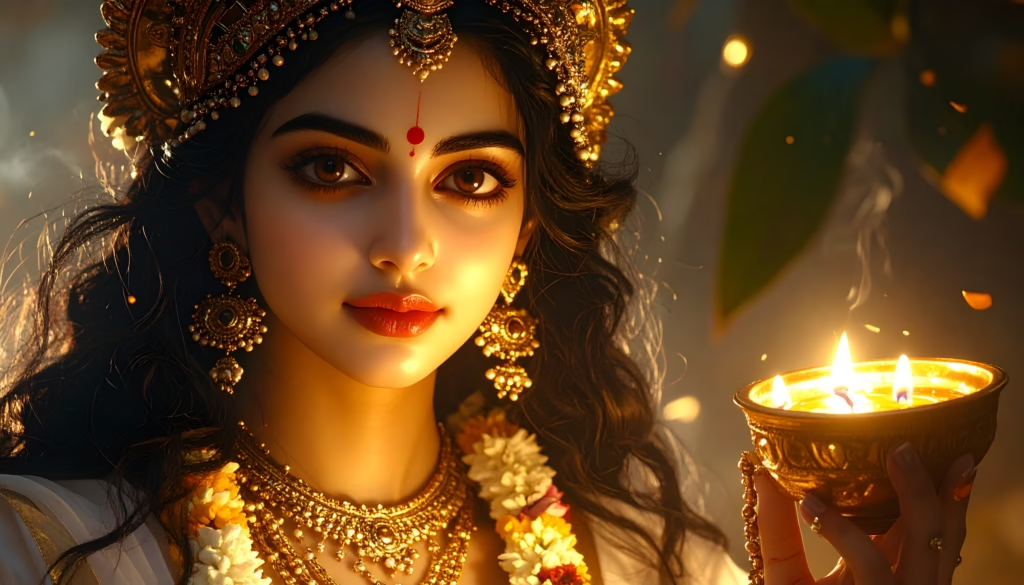
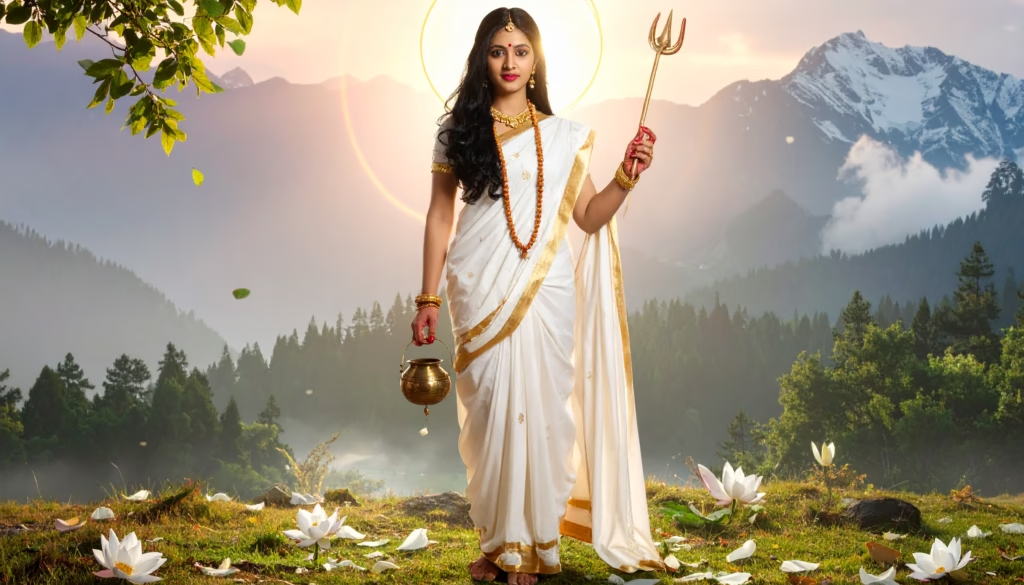
Visually, Maa Brahmacharini captivates with her serene yet powerful presence. Clad in pristine white attire symbolizing purity, she holds a rudraksha mala (rosary) in her right hand for chanting prayers and a kamandalu (water pot) in her left, signifying sustenance through penance. Often depicted barefoot, she trudges the path of renunciation, her calm eyes radiating unwavering determination. Her calm demeanor contrasts with the fierce forms of Durga, reminding us that true power lies in self-control. In temples and homes, idols or images of her are adorned with white flowers, enhancing the devotional atmosphere during Chaitra Navratri 2026 celebrations.
This form draws from ancient texts like the Devi Mahatmya, where her penance wins Lord Shiva’s heart. For those exploring “Maa Brahmacharini meaning” or her role in Hindu mythology, she inspires modern seekers balancing worldly duties with spiritual growth.
Maa Brahmacharini Vrat Katha: The Epic Tale of Devotion
The vrat katha of Maa Brahmacharini is a timeless narrative of rebirth, sacrifice, and triumph, central to Chaitra Navratri Day 2 observances. Rooted in the Shiva Purana and Markandeya Purana, it unfolds across lifetimes, highlighting themes of love, insult, and redemption.
In her previous incarnation, she was Sati, daughter of Daksha Prajapati, married to Lord Shiva. Daksha, harboring disdain for Shiva’s ascetic lifestyle, organized a grand yagna but deliberately excluded the divine couple. Ignoring Shiva’s caution, Sati attended uninvited. Amidst the assembly, Daksha publicly humiliated her, hurling insults at Shiva—calling him a cremation-ground dweller unfit for royal circles. Deeply wounded, Sati invoked her yogic powers, self-immolating in the yagna fire to protest the dishonor. Shiva, enraged, carried her remains, unleashing the Tandava dance that shook the cosmos until Vishnu intervened.
Reborn as Parvati, daughter of Himalaya (King Himavat) and Mainavati, she resolved to wed Shiva again. Guided by Sage Narada, Parvati embraced Brahmacharya, renouncing palace luxuries. She retreated to the forests for intense tapasya. For the first millennium, she sustained on flowers and fruits, standing steadfast under blazing sun and pouring rains. The next 100 years saw her on a diet of wild greens, her body emaciated yet spirit unbroken.
Then came the severest phase: 3,000 years on mere bilva (bel) leaves, Shiva’s favorite offering. Gods and nature trembled at her resolve; rivers halted, fires dimmed. Finally, she abstained from food and water entirely, surviving on prana (life force) alone. Impressed, Shiva appeared, testing her with riddles. Parvati’s wisdom prevailed, and they united eternally.
This katha, recited during Chaitra Navratri 2026 Day 2 vrat, underscores that true devotion transcends obstacles. Devotees fast, emulating her austerity, believing it grants marital bliss, progeny, and success. For “Brahmacharini vrat katha in English” searches, this story motivates women seeking strength in relationships and professionals pursuing goals with discipline.
Benefits of Worshipping Maa Brahmacharini on Navratri Day 2
Observing Maa Brahmacharini vrat yields profound rewards, as per scriptures. Her blessings foster:
-
Spiritual Growth: Enhances self-discipline, meditation focus, and detachment from material desires.
-
Family Harmony: Married women pray for harmonious homes; unmarried ones for ideal partners.
-
Health and Longevity: Austerity increases energy by purifying the body and mind.
-
Career Success: Instills perseverance, aiding achievements in studies or work.
-
Protection from Negativity: Shields against obstacles, much like her penance overcame divine indifference.
In 2026, with Chaitra Navratri aligning auspiciously, her worship amplifies these benefits, drawing global devotees via online streams and temple live updates.
Step-by-Step Puja Vidhi for Chaitra Navratri Day 2
Performing Maa Brahmacharini puja correctly maximizes blessings. Follow this simple, authentic vidhi for home or temple rituals on March 21, 2026. Prepare the night before for a seamless start.
Preparations
Wake at Brahm Muhurta (4-6 AM). Clean your puja area thoroughly—sweep, mop, and sprinkle Gangajal (holy water). Take a purifying bath with turmeric and sandalwood paste, wearing white or light-colored clothes to honor her purity.
Setting Up the Altar
Install a kalash (pot) filled with water, topped with coconut and mango leaves. Place Maa Brahmacharini’s idol or picture centrally. Light a pure ghee diya (earthen lamp) and surround with white flowers (jasmine, lotus), vermillion (sindoor), and fruits like bananas.
Sankalpa and Invocation
Chant the sankalpa mantra: “Om Vishnu Vishnu Vishnu… [your name, gotra] Chaitra Navratri Day 2 Maa Brahmacharini puja karishye.” Invoke her with aarti using camphor.
Main Puja Rituals
-
Offer panchamrit (milk, curd, honey, sugar, ghee) as naivedya.
-
Present white sweets like kheer or peda, bilva leaves, and rudraksha beads.
-
Recite Durga Saptashati (Chandi Path) or Devi Mahatmya’s relevant chapters.
-
Perform kumkum archana, applying vermillion dots while chanting her name.
Vrat Rules
Observe strict fast: fruits, milk, nuts only (phala-harit vrat). Avoid grains, salt, and non-veg. Break fast post-sunset with sattvic food. Married women tie sacred threads (kangans) for protection.
Visarjan and Aarti
Conclude with pushpanjali (flower offering) and waving 21 lamps in aarti. Distribute prasad. For community pujas, join garba dances emphasizing her grace.
This vidhi, optimized for “Chaitra Navratri Day 2 puja at home,” ensures divine grace flows effortlessly.
Powerful Maa Brahmacharini Mantras for Day 2
Chanting mantras amplifies puja potency. Repeat 108 times using rudraksha mala.
Beej Mantra
Om Devi Brahmacharinyai Namah.
(Invoke her essence for purity and strength.)
Mool Mantra
Dadhana kara padmabhyam akshamala kamandalu,
Devi prasidatu mayi Brahmacharinyanuttama.
(Translation: “Be happy with me, O supreme Brahmacharini, while I hold the rosary and kamandalu in lotus hands”.)
Kavach Mantra Excerpt
From Durga Saptashati: Sarva swarupe sarveshe sarv shakti samanvite… (protects during recitation).
Additional: Om Aim Hreem Kleem Chamundayai Vichche (general Durga beej for empowerment).
For audio aids, search YouTube for “Maa Brahmacharini mantra 108 times 2026.” These vibrations align chakras, fostering Brahmacharya virtues.
Common Mistakes to Avoid and Pro Tips
Steer clear of rushed pujas or impure thoughts. Use fresh ingredients; avoid black items. Pro tip: Meditate 15 minutes pre-puja visualizing her penance for deeper connection. In Kolkata or West Bengal homes, incorporate local touches like mishti doi prasad.
-
Day 1: Shailputri (March 20)
-
Day 2: Brahmacharini (March 21)
-
…up to Day 9: Siddhidatri (March 28), Ram Navami (March 29).
Stay updated via temple apps for live darshan.
This guide empowers your Chaitra Navratri 2026 Day 2 celebrations, blending tradition with accessibility.
Disclaimer: This content reflects popular Hindu traditions and beliefs. BulletinBuzzs verifies facts from authentic sources but assumes no liability for personal practices or outcomes.
for more articles visit BB