Lord Brahma, the revered Creator in Hinduism, is surrounded by mystery due to his rare worship and the existence of very few temples dedicated solely to him—a rarity compared to Vishnu and Shiva. The roots of this enigma lie in an ancient tale of divine conflict and cosmic law, centering on the curse bestowed by Goddess Saraswati after Brahma wed Gayatri to complete a critical yajna (sacred fire ritual) when Saraswati arrived late.
The Divine Yajna: A Sacred Compulsion
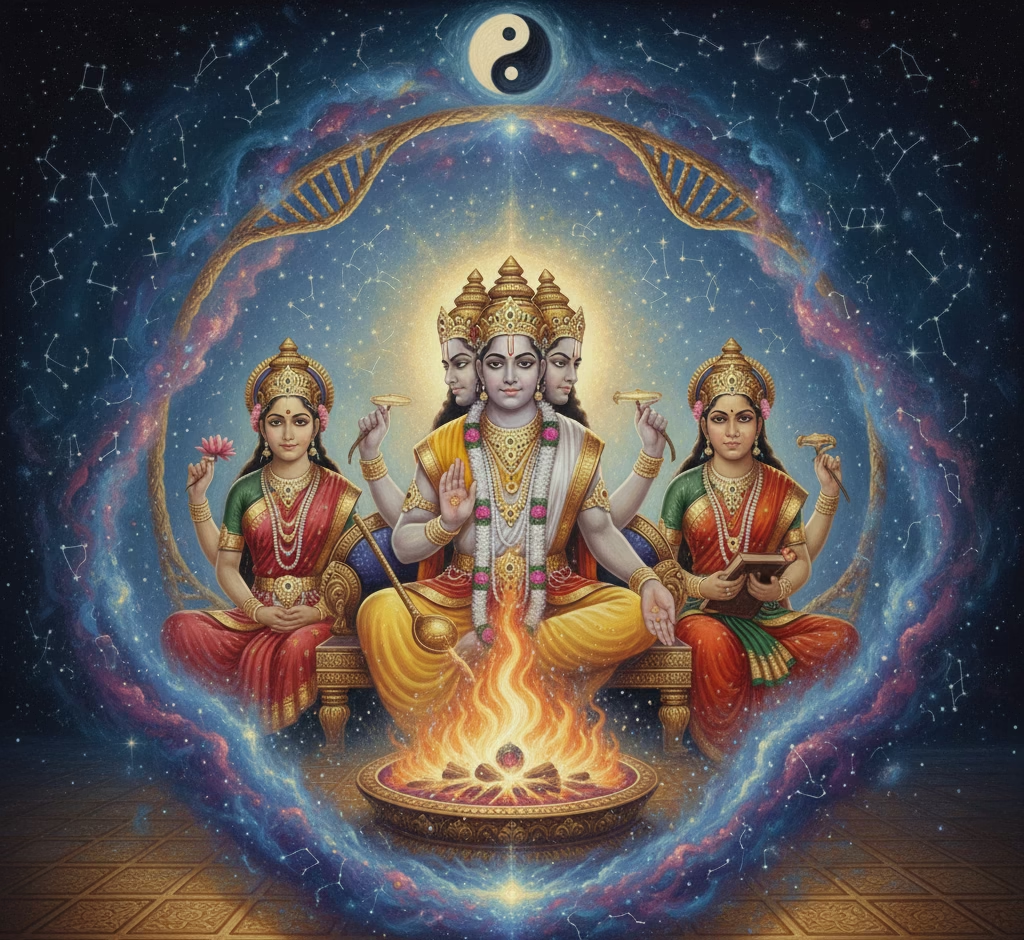
Once, Brahma intended to perform an immensely important yajna for the well-being of the universe. According to tradition, his wife Saraswati, the goddess of wisdom and learning, was required to be at his side during the ritual. However, Saraswati was delayed, reportedly waiting for Lakshmi, Parvati, and Indrani to join her. As the auspicious moment for the yajna approached, priests and sages advised Brahma not to let the sacred timing slip away. Placed in a dilemma by the cosmic rules, Brahma decided to act.
The Marriage to Gayatri
To fulfill the essential requirement for the yajna, Brahma married Gayatri, a woman of divine virtue. Gayatri then took Saraswati’s seat at the altar, and the ritual was completed successfully. Some traditions identify Gayatri as an incarnation or aspect of Saraswati herself, further deepening the symbolic implications. Nonetheless, the act was perceived as a deep slight to Saraswati, who arrived later to find another by her husband’s side.
Saraswati’s Fury and the Potent Curse
Upon witnessing Gayatri’s presence beside Brahma, Saraswati felt profoundly betrayed and angered. As the embodiment of wisdom, pride, and devotion, Saraswati’s response had universal consequences. She cursed Brahma, declaring he would never be widely worshipped on earth and that the glory of temple veneration would be denied to him. Her words resounded through all realms, limiting Brahma’s worship and relegating grand temples attributed to him to near obscurity.
Softer Aftermath: Pushkar and Reconciliation
With the intervention of other gods and Gayatri herself, compassionate reconciliation occurred. Saraswati later softened her curse, permitting Brahma to be worshipped specifically at Pushkar in Rajasthan, home to the renowned Brahma Temple—a pilgrimage site that remains unique in the Hindu world.
Other Reasons for Brahma’s Limited Worship
This story is not the only explanation for Brahma’s limited veneration. Additional myths, such as a separate curse from Shiva for Brahma’s arrogance and falsehood during a debate with Vishnu, contributed to his diminished standing. According to these legends, Brahma lied about witnessing the top of Shiva’s form and was consequently cursed with obscurity in earthly worship.
Symbolism and Deeper Meaning
-
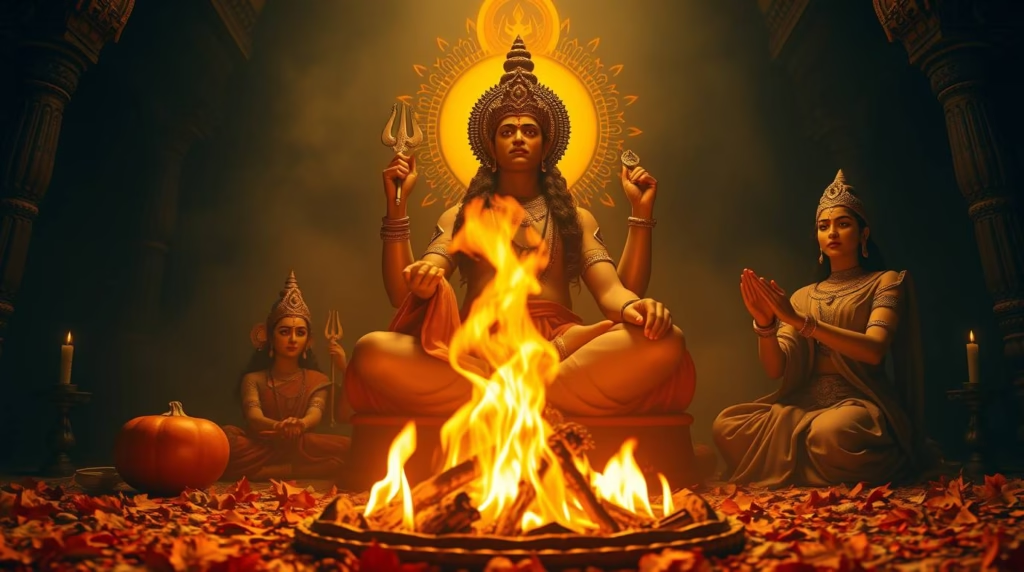
Brahma’s creative powers, Saraswati’s wisdom, and Gayatri’s purity form an eternal trio essential for universal balance.
-
The narrative teaches that even divine beings are bound by cosmic and moral laws, and that wisdom, patience, and respect are as vital as creativity.
-
The lack of a large devotional movement around Brahma, historical shifts in religious practices, and the transition from Vedic rituals to personal devotion all contributed to his rare worship.
Lessons for All Time
Saraswati’s curse transcended anger, becoming a cautionary lesson for gods and mortals alike:
-
Creation must be guided by knowledge.
-
Pride brings limitation, and humility is central to spiritual truth.
-
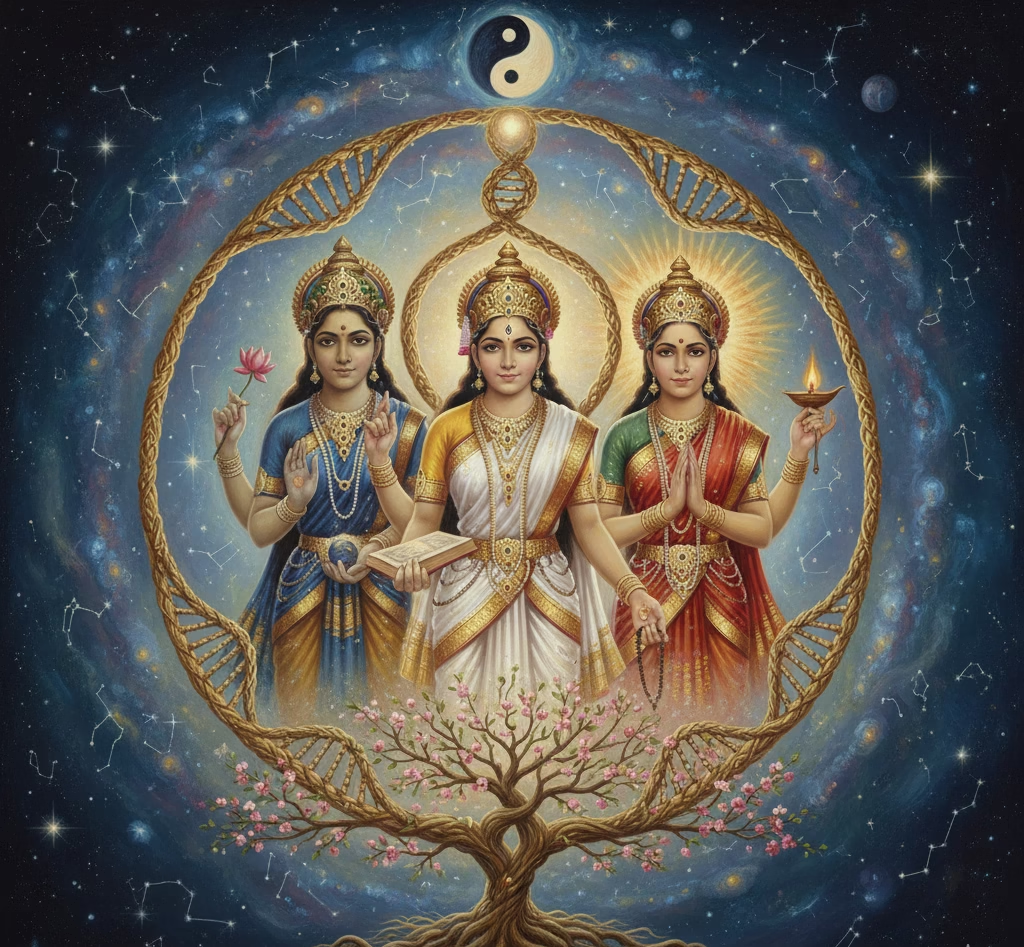
Devotion (Gayatri), knowledge (Saraswati), and creation (Brahma) must coexist to sustain order and peace.
Enduring Legacy at Pushkar
The Pushkar Brahma Temple stands as the only prominent temple where Brahma is still actively venerated, symbolizing both the power of Saraswati’s curse and the mercy that softened it.
The Spiritual Message
Ultimately, the story conveys that ritualistic actions, no matter how grand, lose significance without the partnership of knowledge and devotion. Even the creator himself faces consequences when neglecting these essential virtues—offering a timeless reminder that knowledge, purity, and creativity must be interwoven for any sacred act to hold true meaning and for balance in the universe to prevail.
click here for daily news