The Sacred Tulsi Plant: A Comprehensive Guide to Botanical Wisdom, Rituals, and Vastu Remedies
The Tulsi plant (Ocimum tenuiflorum), popularly known as Holy Basil, occupies a central position in the spiritual and medicinal landscape of India. Beyond its status as a “Queen of Herbs” in Ayurveda, it is worshipped as a living goddess. This educational guide explores the profound significance of Tulsi, focusing on the mystical properties of the Manjari (flower clusters), traditional rituals for prosperity, and essential Vastu guidelines to maintain harmony in your living space.
1. The Spiritual and Botanical Essence of Tulsi
In the Vedic tradition, Tulsi is not merely a plant but an embodiment of the Divine Mother. It is classified into two primary varieties used in households:
-
Rama Tulsi: Distinguished by its bright green leaves and cooling taste.
-
Shyama (Krishna) Tulsi: Known for its dark purple leaves and potent medicinal properties.
The Manjari refers to the seed-bearing spikes that emerge at the top of the plant. While biologically these are essential for reproduction, in spiritual practice, they are considered the “crown jewels” of the plant, holding concentrated energy used to invoke the blessings of Lord Vishnu and Goddess Lakshmi.
2. The Power of Manjari: Remedies for Prosperity
In the ancient science of Vastu Shastra, the presence and condition of the Tulsi plant directly influence the flow of Prana (life force) in a home. When the plant flourishes and produces Manjari, it signals a period of growth. However, leaving dried Manjari on the plant for too long is often seen as a burden to the goddess, so they must be harvested and used in specific remedies.
A. Alleviating Financial Hardships
Lord Vishnu, the sustainer of the universe, is said to be particularly fond of Tulsi. To invite financial stability:
-
The Thursday Ritual: On a Thursday (the day of Jupiter/Vishnu), carefully harvest dried Manjari.
-
Sanctification: Rinse them in clean water or Gangajal.
-
The Offering: Offer them at the feet of Lord Vishnu during your morning prayers.
-
The Wealth Magnet: Once the prayer is complete, wrap these sanctified Manjari in a red silk cloth. Store this bundle in your locker, safe, or wallet. This is believed to remove obstacles in income and prevent unnecessary expenditures.
B. Attracting Abundance with Goddess Lakshmi
Goddess Lakshmi resides where there is cleanliness and devotion. To attract wealth:
-
Offer fresh Manjari to Goddess Lakshmi during Friday prayers.
-
Chant the Lakshmi Mantra while offering them to sync your intentions with the ritual.
3. Cleansing the Environment: Spiritual Purification
Negative energy (Nazar or Vastu Dosha) can manifest as frequent illness, arguments, or stagnant growth within a family. The Manjari acts as a natural purifier when used correctly.
The Purification Spray Ritual
-
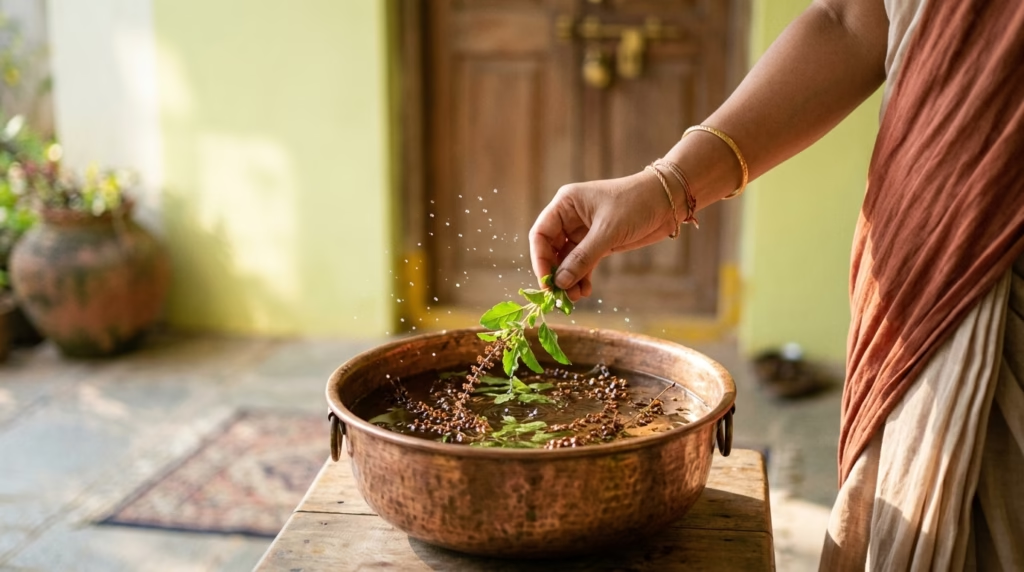
Preparation: Take a copper or brass vessel filled with fresh water and add a few drops of Gangajal.
-
Infusion: Place a handful of harvested Manjari into the water and let it sit for a few hours.
-
Application: Sprinkle this infused water in every corner of your home, especially at the main entrance.
-
Impact: This practice is believed to neutralize stagnant energy and create a protective shield around the household.
4. The Ethics of Harvesting: Guidelines for Plucking
In Indian culture, interacting with Tulsi requires mindfulness. It is not a decorative shrub but a sentient being. Following these guidelines ensures that your actions remain respectful and spiritually beneficial.
When to Harvest
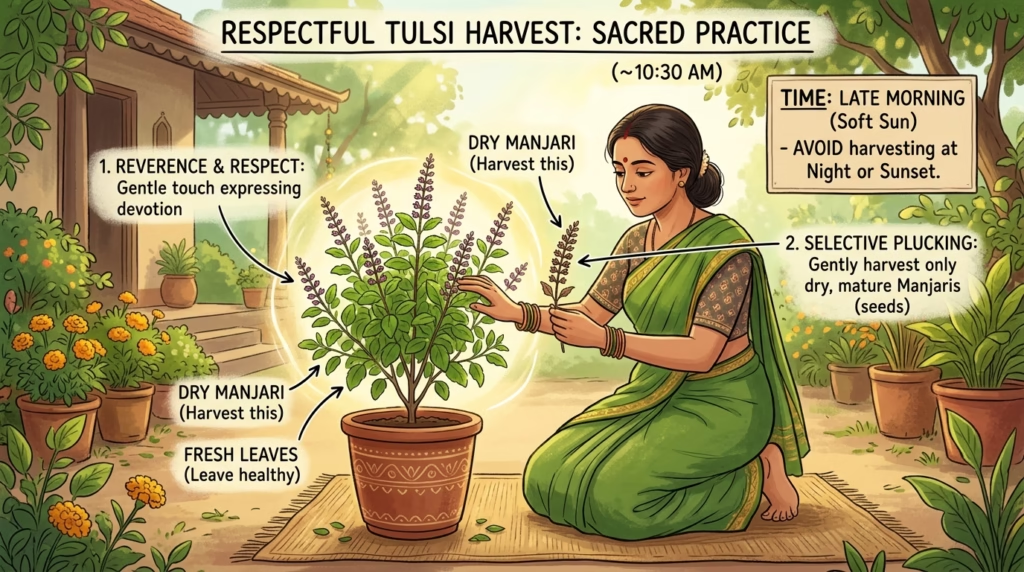
One should never pluck young, green Manjari. Doing so is thought to stunt the plant’s spiritual energy. Wait until the seed clusters turn brown and dry. This indicates that the plant has completed its cycle and is ready to “gift” its seeds.
The Prayer of Permission
Before touching the plant to harvest leaves or seeds, one should:
-
Fold hands in a Namaste gesture.
-
Bow slightly to acknowledge the divinity within.
-
Silently ask for permission (Prarthana) to take what is needed for a specific purpose.
5. Important Taboos and Prohibitions
To maintain the sanctity of the Tulsi plant and avoid “Vastu Dosha” (architectural/environmental flaws), certain rules must be strictly followed. Disregarding these can lead to a decline in the plant’s health and, by extension, the home’s harmony.
Forbidden Days and Times
| Restriction | Reason/Guideline |
| Sundays | Considered a day of rest for the plant; no water or plucking. |
| Ekadashi | A sacred fasting day dedicated to Vishnu; Tulsi is said to fast on this day. |
| After Sunset | The plant’s energy withdraws at night; touching it disturbs its rest. |
| During Impurity | Never touch Tulsi without bathing or with unclean hands after meals. |
Environmental Prohibitions
-
Thorny Plants: Never place cacti or other thorny plants near Tulsi. They represent “sharp” energy that conflicts with Tulsi’s gentle, nurturing aura.
-
Cleanliness Zone: Keep the area around the Tulsi Chaura (pedestal) free from shoes, trash, or brooms.
-
Flower Compatibility: While Tulsi is offered to Vishnu, it is traditionally never offered to Lord Ganesha or Lord Shiva in standard rituals (except for specific Puranic exceptions).
6. Scientific Perspective: Why Manjari Matters
From a horticultural standpoint, removing the dried Manjari (deadheading) is highly beneficial. If the seeds are left on the plant, the Tulsi enters a “seeding” phase where it directs all its energy into seed production rather than leaf growth.
-
Longevity: By removing the brown Manjari, you encourage the plant to produce more foliage and extend its lifespan.
-
Propagation: The dried Manjari contains tiny black seeds. These can be scattered in a new pot of soil to grow fresh saplings, ensuring the lineage of your sacred plant continues.
7. Creating a Sacred Space at Home
To maximize the benefits of Tulsi, placement is key. According to Vastu Shastra:
-
Direction: The North, East, or North-East corner of the house is the most auspicious location for Tulsi.
-
Elevation: Place the plant on a pedestal rather than directly on the ground to show respect.
-
Sunlight: Ensure it receives at least 4–6 hours of sunlight to prevent the Manjari from becoming moldy or weak.
Summary Table: Quick Reference for Tulsi Care
| Feature | Sacred Recommendation |
| Best Location | North-East (Ishanya Kon) |
| Best Day for Rituals | Thursday (Vishnu) / Friday (Lakshmi) |
| When to pluck Manjari | Only when they are brown/dry |
| Watering | Morning only; avoid overwatering |
| Companion Plants | Flowering plants (Marigold, Jasmine) |
By integrating these rituals and remedies into your daily life, you transform the act of gardening into a spiritual journey. Whether you seek financial stability through the Manjari remedy or simply wish to purify your home’s atmosphere, the Tulsi plant remains an evergreen source of peace and prosperity.
Note: While these remedies are rooted in deep-seated cultural and spiritual beliefs, they should be practiced with personal faith and alongside practical efforts toward your goals.
extend your educational knowledge|| know more here