Makar Sankranti 2026: Exact Date, Auspicious Timings, Step-by-Step Puja Vidhi, and Profound Spiritual Significance
Makar Sankranti stands as one of India’s most revered Hindu festivals, marking the joyous transition from winter’s chill to the promise of warmer days and bountiful harvests. This midwinter harvest celebration honors the Sun’s entry into Makara Rashi (Capricorn zodiac sign), symbolizing the end of Dakshinayan (southern solstice) and the dawn of Uttarayan (northern solstice). For devotees, Makar Sankranti 2026 offers a golden window for spiritual growth, fresh starts, and acts of generosity that invite divine blessings into everyday life.
In 2026, this festival arrives amid a world craving renewal, blending ancient rituals with vibrant regional customs. Whether you’re in Kolkata’s bustling streets or Gujarat’s colorful skies, Makar Sankranti unites communities in gratitude for nature’s cycles. Dive deeper into its spiritual significance of Makar Sankranti, precise Makar Sankranti 2026 date and timings, detailed Makar Sankranti puja vidhi, traditional foods, and tips to make the most of this sacred day.
Why Makar Sankranti Holds Deep Spiritual Significance in Hinduism
At its core, Makar Sankranti embodies cosmic harmony and personal transformation. Hindu scriptures like the Puranas describe it as the moment Surya Dev (Sun God) shifts from Sagittarius to Capricorn, banishing darkness and ushering in light-filled days. This celestial event ends the six-month Dakshinayan period—considered inauspicious for major ventures—and initiates Uttarayan, hailed by sages as the “day of the gods.”
Spiritually, Uttarayan amplifies positive energies, making it ideal for meditation, charity (dana), and resolving karmic debts. Ancient texts such as the Bhagavata Purana link this festival to Lord Vishnu’s preservation energy, urging devotees to shed negativity like old winter skin. In Vedic astrology, the Sun’s exalted position in Capricorn fosters discipline, ambition, and inner strength, helping individuals align with dharma (righteous path).
Across India, Makar Sankranti adapts to local flavors yet retains universal themes of abundance and renewal. In Tamil Nadu, it’s Pongal, a four-day thanksgiving to Mother Earth with overflowing rice pots symbolizing prosperity. Gujarat’s Uttarayan features sky-high kite battles (Patang Utsav), representing the soul’s flight toward enlightenment. Uttar Pradesh calls it Khichdi Sankranti for its comforting one-pot meals, while Punjab ties it to Lohri and Maghi, bonfires crackling with tales of harvest heroism.
Children worldwide squeal with delight flying kites, mimicking the Sun’s upward journey, while elders offer til (sesame seeds) and jaggery to appease planetary influences. Charity on this day—donating food, clothes, or sesame-based items—purifies the soul, invites Surya’s radiance, and ensures family harmony. Modern interpretations even connect it to solar energy awareness, reminding us of the Sun’s life-giving power in sustainable living.
This festival’s essence? A reminder that just as fields ripen under the Sun, so can our spirits thrive through gratitude and positive action.
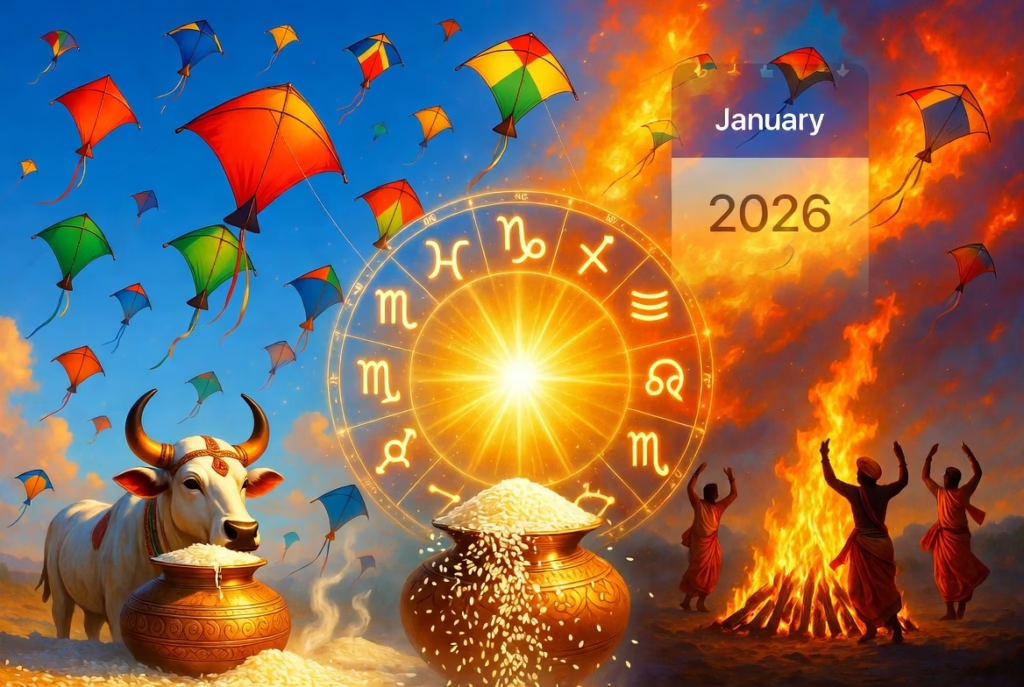
Makar Sankranti 2026 Date and Precise Auspicious Timings
Planning your celebrations? Mark your calendars for Makar Sankranti 2026 date: Wednesday, January 14, 2026. This aligns with the traditional tithi when the Sun precisely enters Makara Sankranti moment, as per Panchang calculations.
For optimal blessings, time your rituals during the most potent windows, sourced from authoritative Drik Panchang for 2026:
-
Makara Sankranti Punya Kala: 03:13 PM to 05:45 PM IST – The general auspicious period for baths, prayers, and charity.
-
Makara Sankranti Maha Punya Kala: 03:13 PM to 04:58 PM IST – The supreme golden hour; rituals here yield manifold spiritual merits.
-
Makara Sankranti Moment (Exact Transition): 03:13 PM IST – The precise Sun entry; offer arghya (water oblations) at this instant for peak efficacy.
Note regional variations: In some North Indian states, it might extend to January 15 due to local Panchangs. For Kolkata or West Bengal observers, pair it with Gangasagar Mela for amplified sanctity. Always check your city-specific Panchang for minor adjustments, as timings shift slightly by longitude.
Step-by-Step Makar Sankranti Puja Vidhi for Home and Temple
Performing Makar Sankranti puja vidhi at home infuses your space with divine vibrations. For both novices and experts, follow this genuine, step-by-step tutorial based on Vedic traditions. Prepare the night before with a clean altar facing east.
Pre-Puja Preparations
-
Wake at Brahma Muhurta (around 4-5 AM) for purity.
-
Take a sacred bath, preferably in rivers like Ganga, Yamuna, or Godavari—or sprinkle Gangajal at home.
-
Wear fresh yellow or white clothes, symbolizing Surya’s glow and sattva (purity).
Core Puja Rituals
-
Set Up the Altar: Place a copper kalash (pot) filled with water, topped with mango leaves, a betel nut, and a coin. Surround with banana leaves, flowers, and a Surya idol or copper Sun yantra.
-
Invoke Lord Surya: Light a ghee diya and chant Gayatri Mantra (Om Bhur Bhuva Swaha…) 108 times using tulsi mala.
-
Offer Arghya: At the Makar Sankranti moment (03:13 PM), stand in water (ankle-deep if possible) facing east. Pour water from a copper vessel while reciting Surya Arghya Mantra: “Om Hram Hreem Hroum Sah Suryaya Namah.” Repeat 12 times.
-
Main Puja Items: Offer til-gud laddoos, fresh fruits (sugarcane, bananas), rice, jaggery, incense, and sandalwood paste. Perform aarti with camphor.
-
Havan (Optional Fire Ritual): Light a small havan kund with sesame wood, offering 108 ahutis of til, jaggery, and ghee while chanting Surya mantras.
-
Charity and Prasad: Donate sesame products, blankets, or food to the needy. Distribute prasad like til-kut chikki or pongal among family.
Conclude with Surya Namaskar (12 rounds) for physical and spiritual vitality. Families bond over feasts, flying kites, and sharing stories, turning rituals into joyful memories.
Traditional Makar Sankranti Foods: Recipes for Prosperity and Health
No Makar Sankranti is complete without sesame-infused delights, believed to balance doshas and attract wealth. Sesame seeds (til) represent immortality in Ayurveda, warming the body against winter.
-
Undhiyu (Gujarat): A veggie medley with yam, beans, and spices, steamed in earthen pots.
-
Pongal (Tamil Nadu): Sweet rice pudding with jaggery, cashews, and cardamom—boil until it overflows for abundance.
-
Til-Gud Ladoo: Roast sesame, mix with jaggery syrup, shape into balls. One bite wards off evil energies.
-
Khichdi (North India): Yellow moong dal-rice simmered with ghee, turmeric, and veggies—sattvic and digestive.
-
Chikkis and Revdi: Crunchy sesame-jaggery bars, easy to prepare and share.
Pro tip: Use organic jaggery for authenticity. These recipes not only delight taste buds but also align chakras for holistic well-being.
Regional Celebrations of Makar Sankranti Across India

Makar Sankranti’s diversity shines in its 30+ regional names and customs:
| Region | Name | Unique Tradition |
|---|---|---|
| Gujarat | Uttarayan | International Kite Festival |
| Tamil Nadu | Pongal | Jallikattu bull-taming |
| Maharashtra | Sankranti | Haldi-Kumkum rituals for women |
| Punjab | Lohri/Maghi | Bonfires with popcorn tossing |
| West Bengal | Poush Sankranti | Gangasagar pilgrimage |
| Andhra Pradesh | Sankranti | Cockfights and rangoli art |
These variations highlight India’s cultural tapestry, from Bengal’s holy dips to Rajasthan’s til-kut feasts.
Modern Tips to Maximize Makar Sankranti 2026 Blessings
Leverage this day for goal-setting: Journal intentions during Maha Punya Kala. Incorporate yoga—Surya Namaskar builds resilience. For digital natives, share eco-kites or virtual pujas via apps. Environmentally, opt for biodegradable kites to honor Mother Earth.
Frequently Asked Questions (FAQs) on Makar Sankranti 2026
What color to wear on Makar Sankranti?
Yellow attire reigns supreme, evoking sunlight, prosperity, and fresh harvests. Pair with gold accessories for amplified energy.
What to avoid on Makar Sankranti?
Steer clear of tamasic foods (onions, garlic, meat, alcohol), late sleeping, arguments, or wastage. Embrace sattvic living for pure vibes.
Which is the special food of Makar Sankranti?
Khichdi tops the list—a nourishing blend of rice, lentils, ghee, and spices. It’s simple, symbolic of unity, and consumed nationwide.
Can I celebrate Makar Sankranti at home if no river is nearby?
Absolutely—use Gangajal for symbolic baths and follow the puja vidhi indoors.
Does Makar Sankranti affect astrology or zodiac signs?
Yes, it strengthens Capricorn traits like perseverance; all signs benefit from Surya’s grace.
Embrace Makar Sankranti 2026 as your reset button. From dawn prayers to evening feasts, let Surya’s light dissolve obstacles, filling your life with joy, health, and abundance. Start prepping today—may Uttarayan illuminate your path!
visit BulletinBuzzs for more articles